House Clearance in Borehamwood

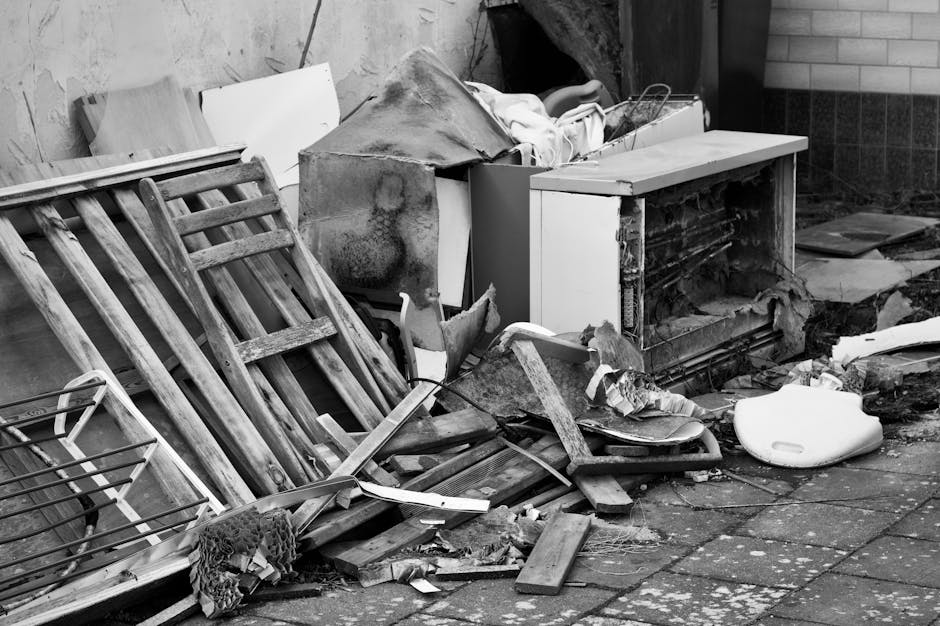
House clearance in Borehamwood is a practical service for homes that need rooms, lofts, garages or full properties cleared with care and control. We focus on removing unwanted contents, sorting items for disposal or reuse where appropriate, and leaving the property ready for its next stage. That may suit a move, a probate task, a refurbishment plan or a long-overdue tidy-up where bulky items and mixed household contents have become difficult to handle alone.
Our approach is built around clear planning and sensible handling of what is inside the property. Furniture, white goods, boxed items, general household goods and awkward storage spaces can all be managed as part of a single job when the layout calls for it. If you are comparing options, start with the main clearance page, then use the service sections below to see how different types of work are organised and what makes sense for your property.
The most useful first step is usually to decide what should stay, what should go, and whether there are items that need careful separation before the clearance begins. Simple written notes and a short description of access, parking or any stair-only route can help a quote reflect the real job more accurately. If you already know that the property needs a broader clearance rather than a single-room removal, that distinction is worth making early. You can request a quotation once you have a clearer picture of the scope.
Full and Partial House Clearance
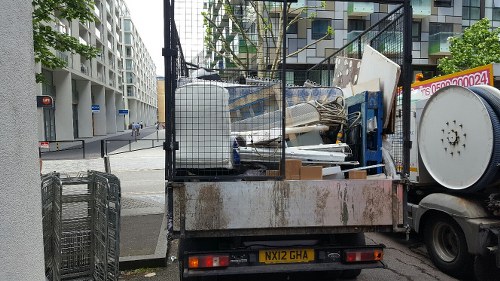
A full house clearance is suitable when most or all of the contents need removing from a property. That might include rooms that are no longer in use, furniture left after a move, appliances that need taking away and general items gathered over time. A partial clearance, by contrast, is useful when only certain rooms or selected belongings need to be cleared. Both approaches can be planned around the same property, but the amount of sorting, loading and disposal work will naturally differ.
In many homes, the most effective clearance is one that follows the structure of the building. Ground-floor rooms may be straightforward, while upper floors, narrow staircases and packed storage spaces usually need more care. We can handle room-by-room clearance when that is more practical than emptying the entire property at once. That helps keep the work orderly and avoids removing items that are intended to remain in place.
Home clearance is often the best starting point when several areas of a property need attention but you do not need a specialist service for every room. It gives a broader option for households that want one organised visit rather than a piecemeal arrangement. If you have a specific area in mind, it is still helpful to say whether you want the entire property cleared or only selected spaces, because that affects labour, vehicle capacity and the time needed on site.
Lofts, Garages and Storage Spaces

Lofts and garages often become the most cluttered parts of a house because they absorb items that are kept for later but rarely revisited. A loft clearance can involve boxed belongings, old decoration materials, seasonal items and awkward loads that have to be carried carefully through the home. A garage clearance may include tools, shelving, broken household goods and mixed storage that has built up over years. These spaces usually reward a methodical approach because they combine small items with heavy or irregular ones.
Access is especially important in these areas. For loft work, ladder access, hatch size and headroom can all influence how the clearance is organised. For garages, the issue is often not the items themselves but the way they are stacked, stored or tucked behind larger objects. Where needed, items can be separated into categories before removal so that the process is controlled rather than rushed. That is often the best way to deal with storage areas that have become difficult to navigate.
Garden structures and outbuildings may call for a different mix of handling. A garage clearance can be combined with exterior storage removal, while related items from sheds or boundary spaces may be assessed alongside the rest of the property. If you are arranging more than one area at once, it helps to note which spaces are accessible directly and which need to be reached through the home. That makes it easier to plan the work in a sensible order.
Furniture, Fixtures and Bulky Items
Large items are often the main obstacle in a clearance because they take up space, limit movement and can be awkward to turn in tight areas. Sofas, wardrobes, beds, tables and similar pieces may need to be moved before smaller items can be sorted efficiently. A furniture clearance is therefore useful when the main issue is bulk rather than a full-property clean-out. It can sit on its own or form part of a wider house clearance depending on what the home contains.
Some furniture is straightforward to lift and carry, while other items may need to be dismantled or handled in sections. That is where planning matters. A wardrobe in a bedroom, for example, may be simple in principle but difficult in practice if the staircase is narrow or the landing is tight. We can deal with furniture that is ready to move as well as pieces that need a little more preparation before removal. The goal is to keep the process controlled, not forced.
For items that are no longer wanted because they are worn out, damaged or simply not suitable to keep, a linked furniture disposal option can help tie the clearance together. In some homes, disposal and clearance overlap almost entirely; in others, a few items may be set aside for reuse or sale. Either way, the work is easier to organise when the pieces are identified before collection rather than after everything has been piled together.
Preparing a Practical Quotation

A sensible quotation depends on the actual work involved, not only the size of the property. The number of rooms, the amount of sorting required, the presence of heavy items and the ease of access all affect how a clearance is planned. A property with straightforward access and a few bulky items may be very different from one with stairs, loft storage and mixed contents in several rooms. Clear information leads to a clearer estimate and a better match between expectation and work needed.
When you request a quotation, it helps to mention any items that need special handling, any areas that are unusually full and any access points that could affect loading. Photographs are often useful because they show the volume of contents and the type of items present without requiring a long written description. If you are unsure whether to include a room, it is usually better to mention it than to leave it out. Accuracy at the outset saves time later and helps avoid unnecessary adjustment on the day.
If you want to compare services before getting in touch, the pricing and quotes page is a helpful place to start. It gives a natural point of reference for thinking about the scale of your job and the sort of information that matters most. Once you are ready, you can request a quotation in plain terms: tell us what needs clearing, what must stay and how the property is accessed.
Office, Business and Mixed Premises Clearance
Although the main focus here is domestic work, some clearances involve premises where household and business contents overlap. An office, rented room or mixed-use property may contain desks, filing, storage units, chairs and domestic items that all need to be removed in one organised sequence. Where a property has a commercial feel but still includes household contents, the clearance should be planned around the actual layout and the materials inside it rather than around a broad label alone.
A office clearance is relevant when furniture, paperwork storage, monitors or general equipment need to be taken away as part of a property change. Even when the quantity is modest, office items often require a different order of work from ordinary domestic furniture because they can be grouped, stacked and stored in a tighter footprint. The important point is to separate what is to be removed from what will stay on site, especially where rooms serve more than one purpose.
For larger removals, a business waste removal page can be useful when the contents extend beyond a single house or flat and into wider premises. That is not a substitute for a tailored assessment, but it does reflect the fact that some jobs involve a mixture of furniture, packaging, office items and general waste. If you are unsure which route fits best, describe the property type and the main contents rather than trying to fit it into the wrong category.
What Can Be Included in a House Clearance
House clearance can cover a broad range of contents, provided the items are lawful to remove and the arrangement is suitable for the property. Typical examples include household furniture, bags of mixed belongings, broken or unwanted domestic items, storage contents, shelving, wardrobes and items from spare rooms. In some cases, the work may also involve separating reusable items from material that is best removed for disposal. A clear list is not always necessary, but the more precise the scope, the smoother the clearance tends to be.
It is also useful to think about what should not be moved. Documents, valuables, sentimental items and anything that is staying in the home should be identified before the clearance begins. That can be done with labels, a simple room list or a quick walk-through of the property. If there are items that need to be left in place for another contractor, for a family member or for a later decision, those should be noted as part of the same conversation rather than assumed.
A service such as house clearance is designed to tie these decisions together into a single organised job. It is most effective when the contents are understood as a whole property rather than as disconnected piles. That does not mean every item must be catalogued, only that the clear-out has a sensible boundary. With that in place, the removal can be handled in a more efficient and less disruptive way.
About Borehamwood
Borehamwood is a town in Hertfordshire, close to the southern edge of the county and within easy reach of Greater London. Its development has been shaped by transport links, suburban growth and a strong association with film and television production. The town is often linked with Elstree in the same general area, and together they form one of the best-known studio districts in the country. That media connection has influenced local identity for decades, but Borehamwood also has a more ordinary civic character built around housing, shopping streets, schools and community spaces. The town centre provides the main commercial focus, while residential streets extend outward into areas of varied post-war and later suburban development. Green spaces and leisure facilities help soften the urban fabric, with parks and recreation grounds giving the area a more open feel than the centre itself might suggest. The railway has long been important to the town’s growth, tying it to wider movement across Hertfordshire and London. Alongside this practical role, Borehamwood retains a local profile shaped by everyday life: a mix of long-established neighbourhoods, newer housing and the continuing presence of studios that have brought national attention to the name. The result is a place that combines working-town functionality with a recognisable cultural reputation, while remaining firmly rooted in the commuter belt and the wider landscape of south Hertfordshire.
House Clearance for Different Property Types

Not every property presents the same sort of clearance. A compact flat may involve careful carrying through shared access, while a larger family home may contain several floors of furniture and storage. A rented property can bring its own timing pressures if a handover date is approaching, whereas a long-occupied home may need a slower, more selective process. The service has to fit the shape of the property as well as the quantity of contents inside it.
Flat clearance is particularly useful where access is limited by stairs, lifts, communal hallways or parking constraints. That kind of setting usually rewards planning, because the route out of the building can be just as important as the items being removed. By contrast, a more spacious property may allow larger items to be moved more directly, although the total volume can still be substantial. Matching the approach to the premises helps keep the work organised and efficient.
For properties with an extra layer of contents or space outside the main rooms, a waste removal option can be relevant alongside the household work. It is not about turning every clearance into a waste job; it is about recognising that some properties contain a mix of household goods, leftover materials and general clutter. If you are deciding what to ask for, describe the rooms, the items and the access in a straightforward way, then use the final contact step to request a quotation.
Recycling, Disposal and Responsible Handling
Clearance work is not only about moving items out of a property; it is also about handling them responsibly once they are removed. Different materials need different treatment, and mixed loads usually have to be separated so that suitable items can be directed to the right route. Where possible, that means identifying furniture, metal items, electrical goods and general household material as distinct categories rather than treating every load as identical. This keeps the process practical and more orderly.
Recycling and sustainability information can be useful if you want to understand the thinking behind sorted disposal. Even in a straightforward house clearance, there is often value in separating material properly so that reusable or recyclable items are not mixed with everything else. That does not require a complicated plan from the customer; it simply means that items in the property should be described honestly so that the right handling approach can be used. A well-managed clearance should make the next stage easier, not add confusion.
Where the home contains a mix of old fixtures, broken furniture and general waste, the work may also involve builders-type material or heavier debris from a refurbishment. In those cases, the clearance should be approached as a practical load-management task rather than as a simple tidying exercise. If you need to discuss a property that has a combination of domestic contents and leftover renovation material, say so clearly at the quotation stage and choose the service route that best reflects the actual job.
Request a Quotation for House Clearance
If you are ready to move forward, the next step is simple: tell us what needs clearing in Borehamwood, which rooms are involved and whether the job is full or partial. You can also mention stairs, loft access, parking limitations and any items that need to remain in the property. That gives the quotation a practical basis and helps the work be arranged in a way that matches the property rather than forcing it into a generic pattern. Use the information you already have; it does not need to be complicated.
For larger or more mixed clearances, a few extra details can be especially helpful. Note whether the job includes furniture, appliances, boxed storage or separate spaces such as garages and lofts. If you are unsure how to describe the contents, a short summary is enough to begin with. One clear message is usually better than several fragmented notes, because it keeps the request focused and easier to assess. You can also mention any preferred timing so the response can be planned around your availability.
When you are ready, please contact us to request a quotation for house clearance in Borehamwood. If you would like to review the wider service details first, you can also look back through the relevant pages and then return with a clearer brief. Either way, the aim is the same: a straightforward clearance plan that matches the property, the contents and the time available.