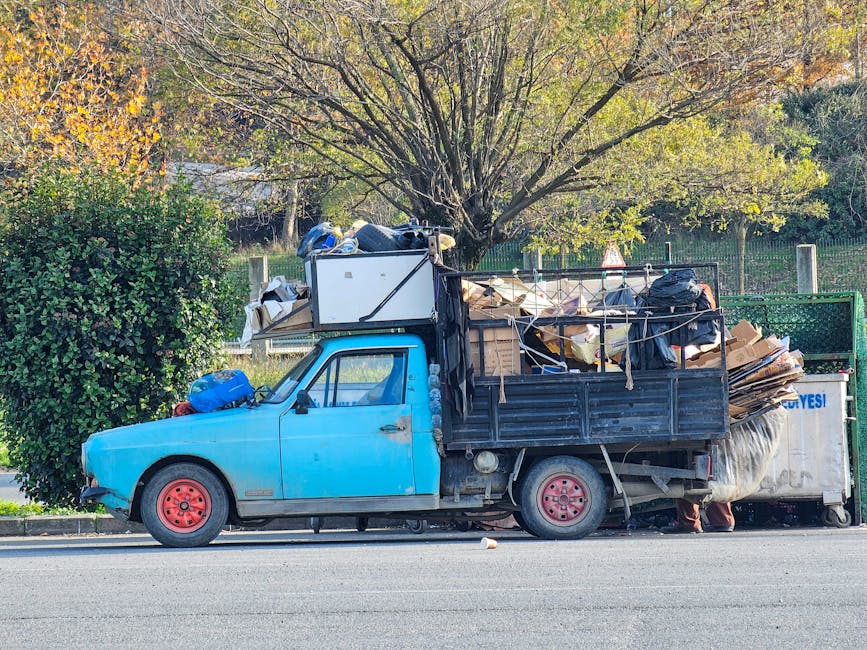
Shenley Road bulky rubbish pickup and disposal Borehamwood: a practical local guide
If you live or work near Shenley Road, you already know bulky rubbish has a habit of showing up at the worst possible time. A broken wardrobe in the hallway, a tired sofa in the garage, garden waste after a weekend clear-out, or the kind of clutter that quietly grows for months until you finally decide, right, that's enough. This guide to Shenley Road bulky rubbish pickup and disposal Borehamwood explains how the process works, what to expect, how to avoid common headaches, and how to choose the most sensible disposal option for your situation.
Whether you are clearing a single item or dealing with a proper house, office, or rental turnover, the aim is the same: get the waste removed safely, lawfully, and without turning your day into a logistical mess. Truth be told, bulky waste is one of those jobs that seems simple until you are standing in a hallway wondering how a three-seater sofa became a planning issue. This article will help you sort it with less stress and a lot more confidence.
For readers comparing local service options, it can also help to understand the wider waste handling picture across the area. If your project includes regular household waste, mixed rubbish, or one-off clearances, you may also find the broader Borehamwood rubbish removal service area page useful as a starting point. And if your job is part of a bigger move, refurbishment, or garden reset, you might want to look at London rubbish removal options too, just to get a sense of service types and coverage.
Table of Contents
- Why Shenley Road bulky rubbish pickup and disposal Borehamwood Matters
- How Shenley Road bulky rubbish pickup and disposal Borehamwood Works
- Key Benefits and Practical Advantages
- Who This Is For and When It Makes Sense
- Step-by-Step Guidance
- Expert Tips for Better Results
- Common Mistakes to Avoid
- Tools, Resources and Recommendations
- Law, Compliance, Standards, or Best Practice
- Options, Methods, or Comparison Table
- Case Study or Real-World Example
- Practical Checklist
- Conclusion
- Frequently Asked Questions
Why Shenley Road bulky rubbish pickup and disposal Borehamwood Matters
Bulky rubbish is different from everyday bin waste. It is larger, heavier, awkward to move, and often not accepted through normal household collection channels. A mattress, old chest of drawers, damaged fridge, broken shelving, or dismantled office desk can sit there for weeks if you do not have a clear plan. On a busy road like Shenley Road, that delay can quickly become inconvenient for everyone involved.
There is also a practical reason this matters locally: many homes and businesses in Borehamwood do not have generous storage space. Flats, terraced houses, back alleys, shared access points, and limited parking can make do-it-yourself disposal tricky. If you have ever tried to manoeuvre a wardrobe through a narrow stairwell on a damp afternoon, you will know what I mean. It's not impossible. It's just the sort of job that becomes tiring, scratchy, and slightly ridiculous in the last ten minutes.
Proper bulky rubbish pickup and disposal helps you keep the property safe, tidy, and usable. It reduces trip hazards, frees up space, and prevents clutter from affecting lettings, sales, trades, or day-to-day living. For landlords and property managers, it can also help turn over a property more quickly between tenancies. For homeowners, it is often about reclaiming a room that has slowly become a storage room by accident.
There is another angle too: responsible disposal. Not everything should go to landfill, and a good pickup process should separate reusable items, recyclable materials, and genuine waste where possible. Even if you are only dealing with one or two items, a sensible approach can make a meaningful difference.
Expert summary: If bulky waste is blocking access, cluttering a home, or delaying a project, the best solution is usually the one that balances speed, cost, lifting effort, and proper disposal. In other words, the cheapest option is not always the best value, and the fastest option is not always the cleanest solution.
How Shenley Road bulky rubbish pickup and disposal Borehamwood Works
Most bulky rubbish pickups follow a straightforward pattern. You identify the items, describe what needs removing, agree the collection plan, and then the waste is loaded and taken for disposal, sorting, or transfer depending on the material. Simple on paper. In real life, the details matter.
The process usually starts with an assessment of volume and type. A single sofa is a very different job from a full garage clearance or a mixed load of furniture, bags, and renovation offcuts. Items may need to be broken down, protected during removal, or separated if they contain materials that should not be mixed together. For example, electrical items, mattresses, timber, and metal may all follow different handling paths.
Access is a big part of the job around Shenley Road. Is the waste upstairs? Is there parking nearby? Can a vehicle stop safely? Is there a tight staircase, shared hallway, or locked gate? These small details affect how long the pickup takes and how many people are needed. A load that seems minor from inside the house can be awkward once you actually start carrying it outside.
In practical terms, a good service will normally ask for clear item descriptions, photos if needed, and any access notes. That helps avoid surprises on the day. It also reduces the chance of a wasted trip, which nobody enjoys. Not the customer, not the crew, not your schedule.
If you are planning a wider home clearance or removing waste from a rental property, it may be worth comparing a dedicated bulky collection with a fuller clearance service such as house clearance in Borehamwood. The right option depends on whether you are removing a few large items or a mixed room's worth of stuff.
Typical pickup flow
- Identify the items: list everything that needs removing, including size and quantity.
- Check access: stairs, parking, loading distance, lift access, and any restrictions.
- Confirm the load type: furniture, appliances, garden waste, or mixed rubbish.
- Arrange collection: choose a convenient time and make sure the items are ready.
- Remove and dispose: the waste is loaded and sent for appropriate handling.
That sounds tidy, and sometimes it is. Other times, someone remembers a second wardrobe at the last minute or finds a heavy set of shelves hidden behind a bike. Classic. That is why a bit of preparation goes a long way.
Key Benefits and Practical Advantages
The most obvious benefit is convenience. You do not have to hire a van, recruit a couple of friends, buy straps, or spend half your Saturday queuing at a disposal site. You also avoid the physical strain that comes from lifting bulky items with awkward weight distribution. Let's face it, a battered armchair does not look threatening until you try to turn it round a staircase landing.
There is also a safety benefit. Heavy items can damage walls, floors, doors, and banisters if they are dragged or dropped. Professional removal, or simply a better-planned pickup, can reduce that risk. This matters in rented homes and managed properties where even a small scrape can become an avoidable repair bill.
Another advantage is time. One pickup can clear a room in minutes rather than hours. That matters if you are preparing for decorators, staging a sale, or trying to hand back a property on schedule. Speed matters, but so does not doing the job twice.
Then there is the compliance side. Bulky waste should be handled by appropriate, responsible channels. A proper pickup and disposal process reduces the chance of fly-tipping, messy temporary storage, or unofficial dumping. Nobody wants their old sofa becoming someone else's problem down a lane outside Borehamwood. It happens, and it causes real headaches.
Useful takeaway: The real value of bulky rubbish pickup is not just "getting rid of stuff." It is reclaiming space, reducing risk, saving time, and making sure the waste ends up in the right place.
Who This Is For and When It Makes Sense
This service is useful for a wide range of people, and the reasons are often more practical than dramatic. You do not need a full property clearance to make bulky collection worthwhile. Sometimes you just need one awkward item gone before it blocks the rest of your day.
It makes sense for:
- homeowners replacing furniture or clearing spare rooms
- tenants moving out and leaving behind bulky items they cannot transport
- landlords preparing a property for new occupants
- estate agents needing fast turnaround between viewings or tenancies
- businesses removing office furniture, shelving, or equipment
- garden owners disposing of broken outdoor furniture, sheds, or large green waste
- anyone who cannot safely lift, transport, or dispose of the items themselves
It also makes sense when the waste is too much for a normal car, too heavy to carry alone, or too awkward to take apart without tools and time. A lot of people wait until the pile becomes stressful. You do not have to. If the items are already affecting how the room functions, that is usually the right moment.
There is a subtler reason too: mental load. Clutter tends to sit in the corner and demand attention. Every time you walk past it, you notice it again. Clearing that out can be oddly relieving. Small thing, but not really small if you live with it every day.
If you are comparing rubbish removal choices across the wider area, some readers also check related pages such as garden waste clearance in Borehamwood when the job includes branches, soil, or old outdoor pieces. Different waste types often need different handling, so it pays to match the service to the task.
Step-by-Step Guidance
If you want the process to go smoothly, a little organisation before collection day makes a huge difference. Here is a clear way to approach Shenley Road bulky rubbish pickup and disposal Borehamwood without overcomplicating it.
1) Make a full item list
Walk through the property and write down everything that needs to go. Include quantities and note whether the items are broken down or still assembled. If the pile includes a mix of furniture, appliances, bags, or renovation waste, list each category separately. That helps avoid underestimating the job.
2) Check what can be reused, recycled, or separated
Not all bulky waste is equal. Some items may be suitable for reuse, while others may need specialist disposal. Broken timber, metal frames, mattresses, and electrical items are often handled differently. Even if you are not sorting everything yourself, knowing what you have makes the conversation easier.
3) Measure awkward items
Door widths, stair turns, loft hatches, and narrow hallways can change the whole plan. A quick tape measure now is much better than a stuck sofa later. There is nothing glamorous about that kind of delay. Nothing at all.
4) Take clear photos
Photos help confirm size, condition, and access issues. A picture of the items in place, plus a picture of the access route if it is tight, can save time and confusion. In our experience, this is one of the simplest ways to avoid surprises.
5) Clear the access route
Move smaller objects out of the way, unlock gates if relevant, and make sure parking or loading arrangements are understood. If the collectors need to pass through a hallway, try to make it straightforward. It sounds obvious, but a clear route really does matter.
6) Confirm what is included
Check whether the quote or collection covers lifting, labour, disposal, and any special handling for heavy or awkward items. Ask how missed items or extra items would be dealt with. Better to know up front than have a last-minute shuffle on the kerb.
7) Be available for a quick handover
On the day, be ready to point out the items and answer any access questions. The smoother the handover, the faster the pickup. Then you can get on with your day instead of watching waste being carried out, which, oddly enough, is more satisfying than it sounds.
Expert Tips for Better Results
A few small choices can make the whole job cleaner, cheaper, and less stressful. These are the details that tend to separate a smooth pickup from a mildly chaotic one.
- Separate materials where practical: if you can clearly group wood, metal, electricals, and general rubbish, the load is easier to assess.
- Dismantle only when it genuinely helps: taking apart a bed frame can help, but not every item needs to be broken down. Sometimes you just create more mess.
- Keep screws and fittings in a small bag: useful if the item is being reused or if you want to avoid sharp bits underfoot.
- Protect floors and walls: especially in narrow hallways or fresh paintwork. A blanket or temporary cover can save frustration later.
- Tell the truth about the load: if there is a second mattress hiding behind the first one, mention it. Nobody likes unwelcome discoveries after arrival.
- Schedule around traffic or parking pressure: Shenley Road can be easier or harder depending on the time of day, so build that into your planning.
A small but useful habit: keep a running "remove next" pile in one place rather than spreading items around the property. It makes the job feel more manageable. Also, and this is not a technical tip, it just looks better. That matters when you are trying to get a place back into shape.
If your project includes several rooms or a larger property reset, a broader service such as office clearance in Borehamwood may be worth comparing for commercial or mixed-use spaces. It is not always obvious at first, but the right service type saves time.
Common Mistakes to Avoid
Most problems with bulky rubbish collection are not dramatic. They are the kind that creep in because someone assumed the job was simpler than it is. A few common mistakes keep coming up.
Underestimating the volume
People often think "just a couple of items" and then discover the pile includes a wardrobe, two chairs, a broken bed base, and a stack of bags. Always count properly. If in doubt, take photos and be honest about the size of the load.
Ignoring access
The item may fit the van. That does not mean it fits the stairwell, turning corner, or parking spot. Access is half the job. Sometimes more than half.
Mixing problem waste with general waste
Electricals, plasterboard, paint, and certain heavy materials may require specific handling. If you mix items carelessly, the load can become harder to process. That can affect both cost and disposal method.
Leaving it until the last minute
This is a classic. You plan to clear the space before the weekend, then realise the broken wardrobe needs dismantling, the screws are missing, and the hallway is now a storage museum. Start early if you can.
Choosing purely on headline price
The cheapest quote is not always the best value if it leaves out lifting, disposal, or a realistic access allowance. Compare what is actually included. A slightly higher price can be the smarter option if it avoids extra charges and time wasted.
Forgetting special items
Fridges, freezers, mattresses, and certain electrical items may need extra handling. Mention them clearly. Nobody enjoys a "oh, and there's also..." moment at the front door.
Tools, Resources and Recommendations
You do not need a van full of specialist kit to prepare for bulky rubbish pickup, but a few simple tools can make things much easier.
- Tape measure: useful for doors, stairs, and awkward furniture.
- Phone camera: take photos of items and access points before collection.
- Marker pen and labels: help separate what is going and what is staying.
- Basic screwdriver or Allen key set: handy if items need partial dismantling.
- Gloves: good for rough edges, dust, and bits of broken material.
- Moving blankets or old sheets: useful for protecting walls and floors during removal.
- Strong bags or boxes: ideal for loose bits, fittings, and small waste.
When choosing a service, look for clarity rather than vague promises. A decent provider should be able to explain what happens to different waste types, what access details they need, and what is included in the collection. If they ask sensible questions, that is usually a good sign. It means they are thinking ahead instead of improvising on the pavement.
For readers who are also planning a declutter or storage reset, it can help to view removal as part of the bigger workflow: identify, separate, remove, and then decide what remains. That order tends to produce calmer results. Funny how that works.
Law, Compliance, Standards, or Best Practice
When bulky rubbish is being removed in the UK, the most important principle is straightforward: it should be handled responsibly and taken to an appropriate disposal route. Exact legal duties can vary depending on the type of waste, who owns it, and how it is collected, so careful wording matters here. If you are unsure about a particular item, it is sensible to ask before the collection rather than assume it can go with general household waste.
Best practice usually includes:
- making sure waste is not left in a way that creates hazards or obstruction
- separating items that may need different handling, such as electrical goods or mattresses
- avoiding informal dumping or handing waste to anyone who cannot explain how it will be managed
- keeping records or confirmation where appropriate, especially for business waste
- being honest about the contents of the load so it can be processed properly
For businesses, extra care is often needed because commercial waste can carry additional obligations. If you are clearing office furniture, packaging, archive items, or mixed commercial rubbish, ask whether the service is appropriate for that kind of load. It is better to pause and check than to discover later that something was handled the wrong way.
There is also a practical ethical side. Fly-tipping is not just unsightly; it shifts cost and mess onto other people. A responsible pickup protects you, your neighbours, and the wider area. Simple enough, but worth saying plainly.
Options, Methods, or Comparison Table
There is no single perfect approach for bulky rubbish. The best method depends on how much you need removed, how quickly you need it gone, and whether you are comfortable doing any of the lifting yourself.
| Option | Best for | Pros | Watch-outs |
|---|---|---|---|
| DIY disposal | Very small loads, spare time, and easy access | Can be cost-effective if you already have transport | Heavy lifting, parking, multiple trips, and disposal hassle |
| Bulky rubbish pickup | Single items or a modest mixed load | Fast, convenient, less lifting for you | Need to give accurate details and access info |
| Full property clearance | Large clear-outs, moves, or tenancy changeovers | Covers more items in one go, saves time | Usually more involved than a simple pickup |
| Specialist item removal | Appliances, electricals, or unusual waste types | Better handling for specific materials | May not suit mixed loads unless arranged in advance |
For many people near Shenley Road, bulky pickup is the sweet spot. It is simpler than a full clearance and far less hassle than self-hauling. If you only have a few large items, it usually makes the most sense. If the property is genuinely full, though, a broader clearance route can be more efficient.
Case Study or Real-World Example
Picture a fairly ordinary Borehamwood scenario. A family has just replaced a sofa, two armchairs, and an old coffee table after a long-awaited living room refresh. Nothing dramatic. But the old furniture is bulky, the hallway is narrow, and the new delivery is arriving the same afternoon. The old items are now sitting in the middle of the room like a very awkward obstacle course.
They start by measuring the furniture and checking access. The sofa will need to turn at the bottom of the stairs, and one chair has to come out first so the route is clear. They take photos, confirm the load, and set aside smaller loose items like cushions and broken fittings. A quick bit of prep. Nothing fancy.
On collection day, the removal is quicker than expected because the path is clear and the items were described accurately. There is no guessing, no "actually there's another bit in the shed," no dragging furniture over a threshold and scuffing the paint. The room is cleared, the floor is visible again, and the family can get on with the delivery and the rest of the day.
That is the real win here. Not the removal itself, but the way it makes the rest of life easier. You breathe out a bit. The room feels like a room again. Simple, but good.
Practical Checklist
Use this quick checklist before arranging your collection.
- Have you listed every item that needs removing?
- Have you measured the awkward or oversized pieces?
- Have you checked stairs, doors, parking, and loading access?
- Have you separated items that may need special handling?
- Have you taken clear photos for reference?
- Have you confirmed whether lifting and disposal are included?
- Have you cleared the route from the item to the exit?
- Have you removed anything you want to keep from nearby storage spots?
- Have you told the provider about heavy, fragile, or unusual items?
- Have you chosen a time that works with your day and the local traffic pattern?
Quick reminder: if you are unsure, pause and ask. A two-minute question now can save a two-hour headache later.
Conclusion
Shenley Road bulky rubbish pickup and disposal Borehamwood is really about making a messy, heavy, awkward job feel manageable. Whether you are clearing one sofa or sorting out a larger load, the best results come from clear planning, honest item descriptions, and a service that understands access, handling, and proper disposal.
When you choose the right approach, you save time, reduce risk, and avoid the small disasters that can happen when bulky waste is left too long. The space opens up. The pressure drops. And the rest of the project gets easier, which is often the whole point.
If you are at the stage where the clutter is becoming part of the background, that is usually your sign to act. A tidy space is not everything, of course, but it does make home feel calmer. And sometimes that is exactly what you need.
Get a free quote today and see how much you can save.
Frequently Asked Questions
What counts as bulky rubbish in Borehamwood?
Bulky rubbish usually means large household or commercial items that do not fit into normal bin collections, such as sofas, beds, wardrobes, large appliances, shelving, and similar oversized waste.
Can I put bulky items out for normal collection?
Usually not. Many bulky items need a separate pickup or disposal arrangement. It is best to check the collection method in advance rather than leave items out and hope for the best.
How do I prepare items for pickup?
Make a list, clear access routes, take photos, and separate anything that needs special handling. If possible, dismantle only the parts that genuinely help with removal.
Do I need to be present during the collection?
Often it helps, especially if the access is tricky or the load needs to be confirmed on arrival. Some collections may be possible with clear instructions, but being available usually makes things smoother.
What should I do with electrical items?
Electrical items often need separate handling from general rubbish. Mention them clearly when arranging collection so they can be dealt with in the right way.
Is bulky rubbish pickup better than hiring a van myself?
For many people, yes, especially if the items are heavy, awkward, or too much for one trip. DIY can work for tiny loads, but pickup is usually easier when time, lifting, or access is a concern.
How much notice do I need to give?
That depends on the service and the size of the job. For simple item removals, short notice may be possible. For larger or more complex loads, it is wiser to arrange things earlier.
Can bulky waste be recycled or reused?
Sometimes, yes. It depends on the condition and material of the item. Furniture, metal, and some other materials may be suitable for reuse or recycling where practical.
What if my item is too big to fit through the door?
Measure first and, if needed, consider dismantling the item safely. If that still will not work, let the provider know. A tight staircase or narrow landing can change the removal plan completely.
Is this service suitable for landlords and letting agents?
Absolutely. It is often a good fit for tenancy turnovers, abandoned furniture, and quick property resets. Clear communication about access and item types is especially helpful in those cases.
What if I have mixed waste, not just furniture?
Mixed waste is common, and it can often be handled as part of a pickup, but the item list should be accurate. Different materials may need different disposal routes, so it is worth describing everything clearly.
How do I avoid hidden extra charges?
Be precise about volume, item type, access, parking, and any stairs or dismantling needed. A clear description up front is the best way to avoid surprises later.
If you are planning a clear-out near Shenley Road and want the job handled properly from the start, the sensible next step is to compare your items, measure the access, and choose the pickup option that matches the real load. That little bit of care makes the whole process feel lighter, and honestly, that is worth a lot.