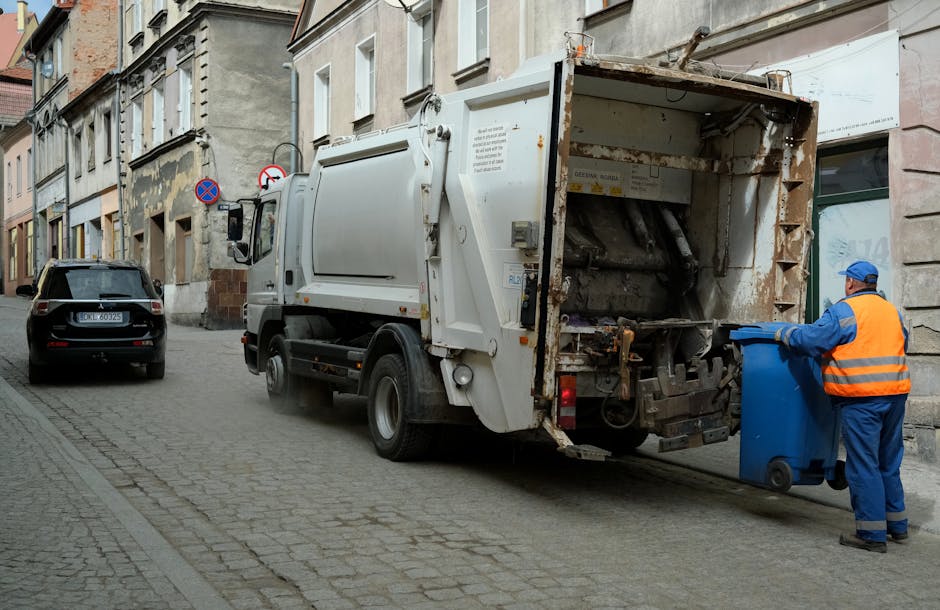
Common access problems for Borehamwood rubbish removal jobs
Rubbish removal sounds simple until the team turns up and finds a narrow driveway, a locked gate, a fourth-floor flat with no lift, or a pile of waste sitting miles from the front door. In Borehamwood, that kind of access issue is more common than people expect, and it can quickly change how a job is planned, priced, and completed. This guide to Common access problems for Borehamwood rubbish removal jobs explains what usually goes wrong, why it matters, and how to make the whole process smoother from the start.
Whether you are clearing a house, flat, garage, loft, garden, office, or builders waste, access can be the difference between a quick tidy-up and a frustrating delay. Let's face it, nobody wants a team arriving only to discover the sofa cannot make the turn at the stairwell. Below, you will find practical advice, a step-by-step approach, and a few real-world pointers that help avoid the usual headaches.
Table of Contents
- Why Common access problems for Borehamwood rubbish removal jobs Matters
- How Common access problems for Borehamwood rubbish removal jobs Works
- Key Benefits and Practical Advantages
- Who This Is For and When It Makes Sense
- Step-by-Step Guidance
- Expert Tips for Better Results
- Common Mistakes to Avoid
- Tools, Resources and Recommendations
- Law, Compliance, Standards, or Best Practice
- Options, Methods, or Comparison Table
- Case Study or Real-World Example
- Practical Checklist
- Conclusion
- Frequently Asked Questions
Why Common access problems for Borehamwood rubbish removal jobs Matters
Access issues matter because they influence almost every part of a rubbish clearance: how long it takes, how many people are needed, what equipment is required, and whether the load can be removed safely in one visit. If access is awkward, a simple job can become slower and more physically demanding. That often means more time on site and sometimes a higher cost, especially where lifting is difficult or waste has to be carried a long distance.
In Borehamwood, access can be tricky for very ordinary reasons. Older terraces may have tight entrances, shared paths can be busy, and apartment blocks often involve steps, internal corridors, buzzer systems, or parking restrictions. None of this is unusual, but it all needs thinking about before the van arrives.
Why does that matter to you? Because poor access creates avoidable stress. The job may still be perfectly doable, but only if the team knows what to expect. A bit of honesty up front saves everyone time. It also helps keep the clearance safe, especially where heavy furniture, broken bags, or mixed waste has to be moved through cramped spaces.
Expert summary: The best rubbish removal jobs are rarely the ones with the most waste; they are the ones where access is accurately described before anyone sets off. Good information leads to better planning, fairer pricing, and fewer surprises on the day.
That is especially true for services like house clearance, flat clearance, and office clearance, where items are often large, awkward, and not exactly designed for easy manoeuvring through a narrow hallway.
How Common access problems for Borehamwood rubbish removal jobs Works
Access problems usually show up at the quoting stage, the arrival stage, or the lifting stage. In other words, the issue is not always the rubbish itself. It is the route to the rubbish.
A removal team will normally try to understand several things before the job starts:
- How close the vehicle can park to the property
- Whether there are stairs, lifts, ramps, or level access
- How wide doorways, hallways, and landings are
- Whether the waste is in a rear garden, loft, garage, basement, or upper floor
- Whether access is shared, restricted, locked, or timed
- Whether heavy or bulky items need to be taken apart first
From there, the team can decide what is realistic. Some jobs are straightforward. Others need extra hands, additional loading time, or a different removal method. For example, a small garden clearance with side access is usually easy enough. A loft clearance in a house with a steep staircase and a tight landing is a different story entirely.
There are also soft access issues that people often forget to mention. A long gravel path can slow trolley movement. A wet lawn can make it unsafe to cross. A shared stairwell may need careful timing if neighbours use it heavily. Even a parking space that is technically available may be too far away for efficient loading. All of that counts.
In practice, good rubbish removal is part planning and part problem-solving. The waste is only half the picture.
Key Benefits and Practical Advantages
When access is described clearly and handled properly, the job becomes noticeably easier for everyone. That sounds obvious, but in real life it makes a big difference.
- Faster collection: fewer delays on arrival and less time spent figuring things out on the spot.
- Better value: accurate access information helps avoid awkward add-on costs or a second visit.
- Safer lifting: the team can prepare for stairs, distance, or heavy carries in advance.
- Less disruption: neighbours, tenants, staff, or family members experience less hassle.
- Smoother disposal of bulky items: furniture, appliances, and mixed waste can be managed more efficiently.
- Improved scheduling: the job can be matched to the right vehicle and crew size.
There is also a human benefit people do not always talk about. When access is sorted properly, the whole process feels calmer. You are not standing in a doorway trying to explain where the bins are while everyone gets in each other's way. The job just flows. Quietly. No fuss.
If your clearance includes items such as worn-out sofas, mattresses, wardrobes, or office desks, it can be helpful to look at related pages like furniture clearance and furniture disposal, especially where lifting and route access are likely to be the main challenge.
Who This Is For and When It Makes Sense
This matters for almost anyone booking a waste collection in Borehamwood, but some people will feel the pain more than others.
- Homeowners: especially if the property has a long driveway, side gate, loft, cellar, or rear garden access only.
- Flat owners and tenants: where stairs, lifts, shared corridors, or entry codes can complicate the job.
- Landlords and letting agents: where the property is empty, keys may need to be arranged, or access is through a management office.
- Business owners: for office clearances, stock rooms, back entrances, and loading bays can all be a factor.
- Builders and trades: where rubble, timber, or mixed site waste may be stacked behind scaffolding or in tight outdoor spaces.
It also makes sense when you are clearing an awkward area like a loft, garage, or garden. These spaces often look simple from the outside and then, once you are in there, the reality is a bit different. Heavy boxes in a loft hatch. A garage full of old tools and broken shelving. A garden path that narrows halfway down. You know the sort of thing.
For that reason, related services such as loft clearance, garage clearance, and garden clearance are often the ones most affected by access questions.
Step-by-Step Guidance
Here is a practical way to handle access before the job begins. It is not fancy. It just works.
- Walk the route first. Start where the vehicle would likely park and walk all the way to the waste. Notice gates, slopes, steps, corners, and narrow points.
- Measure the awkward bits. Doorways, stair turns, and loft openings matter more than people think. If a wardrobe will not turn, the plan changes fast.
- Check parking realistically. Look at where a van could actually stop without blocking driveways, crossings, or narrow roads. A legal space that is too far away can still slow the job.
- Identify the heaviest items. Anything bulky, fragile, or very heavy should be mentioned early. Sofas and white goods are classic examples.
- Tell the team about restrictions. Gates, keys, buzzer systems, managed buildings, timed access, or neighbour-only pathways should be shared in advance.
- Prepare the route. Move bikes, bins, plant pots, loose cables, or anything else that may snag feet or block movement.
- Separate what can stay and what must go. This sounds basic, but it avoids confusion when the team arrives and starts loading.
- Ask what equipment may be needed. A job with stairs or distance may benefit from trolleys, extra hands, or disassembly of large items.
A quick note here: if you are unsure about the route, photos are usually more useful than a long description. A picture of the gate, the stairs, the hallway, and the waste pile can tell the story in seconds. Not glamorous, but very effective.
For commercial clearances, it can also help to review a service like business waste removal or builders waste clearance if your access challenge involves loading bays, site traffic, or working around other people.
Expert Tips for Better Results
After enough removals, a few patterns become very clear. The jobs that run smoothly are usually the jobs where the awkward details were mentioned early. The following tips are simple, but they save time.
- Send photos of the access route, not just the waste. The pathway is often more important than the pile.
- Be honest about distance. "Just around the back" can mean 15 metres or 150. That difference matters.
- Point out anything fixed in place. Heavy fitted shelving, built-in cupboards, or jammed doors can change the plan.
- Think about weather. A damp slope or muddy garden path is a very different job from a dry one in the middle of the day.
- Plan for keys and entry codes. It sounds trivial, then suddenly everyone is waiting in the car park. Time passes, and so does patience.
- Clear the route before collection day. Move fragile items, pet bowls, and loose clutter out of the way.
One small but useful habit: stand where the van would park and look back at the property as if you were the crew. That viewpoint often reveals what the noticeboard in your head has been ignoring. A low wall, a tight bend, a step you keep forgetting about. Strange how that happens.
If you want more confidence around the company itself, it can be worth reading the about us page and checking practical pages such as insurance and safety and the health and safety policy. That is not just box-ticking; it helps you understand how access risks are handled.
Common Mistakes to Avoid
Most access problems are not dramatic. They are just small assumptions stacking up until the day becomes awkward. The good news? They are very avoidable.
- Assuming the team can "just get in". A narrow hallway or steep stairwell can turn a simple job into a slower one.
- Forgetting about parking distance. If the vehicle cannot stop close enough, the carry becomes longer and harder.
- Leaving clutter on the route. Shoes, bins, prams, bikes, and loose cables are easy trip hazards.
- Not mentioning upper floors. A flat on the third floor without a lift is very different from ground-floor access.
- Hiding the worst item until arrival. The oversized wardrobe in the spare room is not a nice surprise. It just isn't.
- Ignoring shared access rules. Flats, managed blocks, and commercial sites often have specific entry arrangements.
Another common mistake is underestimating how long awkward items take to manoeuvre. A bulky table might fit through the door, but only after a careful tilt, a pause, and maybe a bit of patient repositioning. That is normal. It just needs planning.
If the job is a flat clearance, the issue is often less about quantity and more about layout. For that reason, flat clearance deserves particular care when access is not straightforward.
Tools, Resources and Recommendations
You do not need specialist gear to prepare for a rubbish removal, but a few simple tools can help. Nothing technical, nothing over the top.
- Phone camera: useful for sending pictures of gates, staircases, and access routes.
- Tape measure: ideal for checking whether furniture will fit through a doorway or around a bend.
- Masking tape or notes: handy if you want to mark items that must stay.
- Flashlight: especially helpful in lofts, garages, or dim hallways where the light is poor.
- Gloves and sturdy shoes: sensible for anyone moving clutter before collection.
- Simple site map or sketch: useful for larger homes, offices, or premises with multiple entry points.
For recommendations, a practical approach is usually best:
- Take a few wide-angle photos of the route.
- Describe where the waste is located, not just what it is.
- Highlight anything heavy, fragile, or fixed in place.
- Share restrictions early, including timed entry or parking rules.
- Keep the pathway free on collection day.
If you are comparing services or trying to understand what influences the estimate, the pricing and quotes page is a useful place to start. It can help you see why access, carry distance, and loading conditions often affect the final figure.
Law, Compliance, Standards, or Best Practice
Access problems are not just about convenience. They can also affect health and safety, and in the UK that means sensible working practices matter. Without getting overly legal about it, the main principle is simple: rubbish should be removed without putting workers, occupants, neighbours, or the public at unnecessary risk.
Best practice usually includes:
- safe manual handling of heavy or awkward objects
- clear walkways and trip-hazard control
- careful use of stairs, lifts, and shared areas
- reasonable planning for vehicle positioning and loading
- appropriate handling of waste types, especially mixed or sharp materials
For households, landlords, and businesses, that means being upfront about access is not just helpful; it is the sensible thing to do. It allows the crew to plan safe lifting routes, avoid damage to walls and floors, and reduce the chance of delays or injuries.
Where a building has rules about access, keys, parking, or shared corridors, those rules should be followed. That includes managed flats, office premises, and rented properties. If you need reassurance about the company's procedures, the pages on terms and conditions, payment and security, and the complaints procedure can help set expectations clearly.
Options, Methods, or Comparison Table
Different access situations call for different approaches. Here is a simple comparison to help you think it through.
| Access situation | Typical challenge | Best approach | What to mention in advance |
|---|---|---|---|
| Ground-floor house with driveway | Usually straightforward, but distance may still matter | Standard collection | Any gates, locked side access, or heavy items |
| Flat with stairs only | Long carries and more lifting | Extra planning, possible extra crew | Floor level, stair width, and parking distance |
| Property with rear garden access | Paths can be narrow or uneven | Careful route planning | Gate width, surface type, and weather sensitivity |
| Loft or attic clearance | Tight hatch and awkward angles | Disassembly and slow, controlled movement | Hatch size, ladder access, and item sizes |
| Office or commercial unit | Loading restrictions, lifts, or public areas | Timed collection and site coordination | Opening hours, parking rules, and access codes |
In short, the more complicated the route, the more the job benefits from advance detail. A three-second "it's fine, no issue" rarely ages well. To be fair, many people only realise this after trying to carry a sofa around a corner that does not forgive mistakes.
Case Study or Real-World Example
A fairly typical Borehamwood scenario goes like this. A customer books a mixed household clearance from a first-floor flat. The waste includes a bed frame, two wardrobes, old bags, and a couple of small cabinets. On paper, it sounds manageable. Then the details come out: no lift, a shared stairwell, parking only on the street, and a narrow turn at the landing.
Because those access details were explained early, the job can be planned properly. The team knows the wardrobes may need partial dismantling. They know to allow extra carry time from the vehicle. They know which items are likely to need two people rather than one. On the day, the job still takes work, but it does not turn into a scramble.
Now compare that with a similar job where the access wasn't mentioned. The crew arrives, sees the stairwell, realises the largest item will not turn cleanly, and has to pause. More time is spent discussing options than loading waste. Nobody enjoys that moment. The customer feels embarrassed, the team feels rushed, and the day becomes longer than it needed to be.
The lesson is simple: access is part of the job, not an afterthought. And once you treat it that way, everything becomes easier.
Practical Checklist
Use this quick checklist before your collection day. It is short for a reason.
- Have you checked where the vehicle can park?
- Have you measured any tight doors, gates, or stair turns?
- Have you told the team about stairs, lifts, or level changes?
- Have you mentioned lofts, cellars, garages, or rear-garden routes?
- Have you identified the heaviest or most awkward items?
- Have you shared photos of the access route if needed?
- Have you cleared loose clutter from the path?
- Have you arranged keys, codes, or building access in advance?
- Have you checked whether parking or loading restrictions apply?
- Have you confirmed any special handling for fragile or fixed items?
If you can tick most of those off, you are already ahead of the game. Really, that is half the battle.
Conclusion
Common access problems for Borehamwood rubbish removal jobs are usually manageable, but only when they are spotted early. Narrow entrances, stairs, distance from the vehicle, parking restrictions, and awkward routes can all affect timing, safety, and cost. The fix is simple enough: describe the access clearly, send photos when useful, and treat the route as carefully as the waste itself.
That approach saves stress, reduces surprises, and helps the team get on with the job properly. Whether you are clearing a flat, a garage, a loft, or a full property, good access planning makes the whole experience feel calmer and more professional. And honestly, that calm matters more than people realise.
If you are comparing options for a local clearance and want clarity on the next step, take a look at the relevant service pages, review the practical information, and choose the route that feels straightforward and safe for your property.
Get a free quote today and see how much you can save.
Frequently Asked Questions
What are the most common access problems for rubbish removal in Borehamwood?
The most common issues are limited parking, long carry distances, stairs without a lift, narrow hallways, tight doorways, locked gates, and awkward garden or rear access. These all affect how quickly waste can be removed and what equipment or crew size may be needed.
Does poor access make rubbish removal more expensive?
It can do, because poor access often means more labour, more time on site, or extra handling. That said, a clear description of the property usually helps you get a more accurate quote from the start, which is better than a surprise later.
How can I describe access issues when asking for a quote?
Explain where the waste is located, how far it is from the vehicle, whether there are stairs or lifts, and whether there are gates, parking limits, or timed entry. Photos are very helpful too, and usually quicker than a long explanation.
Should I measure my doors and stairways before the collection?
Yes, especially if you have bulky furniture or appliances. Even a quick tape-measure check can prevent delays if an item needs dismantling or a different route.
What happens if the team arrives and the access is worse than expected?
They will usually assess the situation and discuss the practical options. Sometimes the job can still go ahead with adjustments. In other cases, a revised plan is needed if the access affects safety or makes the original approach unrealistic.
Are flats more difficult for rubbish removal jobs?
Often, yes, because stairs, lifts, shared corridors, and parking can all create extra steps. But plenty of flat clearances go smoothly when the access is explained properly in advance.
Can garden waste be harder to remove than household rubbish?
It can be, especially if the only route is through a side gate, across a wet lawn, or along a narrow path. Garden waste is often lighter individually, but the route can still be awkward.
What should I clear before the rubbish removal team arrives?
Move bins, bikes, prams, cables, and loose clutter from the access route. If possible, keep hallways and paths open so the team can work safely and quickly.
Do office clearances have different access issues?
Yes. Offices often involve loading bays, reception access, stairwells, lifts, shared building rules, and time restrictions. Business removals benefit from clear scheduling and early communication.
Can furniture be taken apart if access is tight?
Sometimes, yes. Beds, wardrobes, tables, and similar bulky items may be dismantled if that makes the removal safer and easier. It is worth mentioning in advance if you think a large item will not turn a corner or fit through a doorway.
How do I know if access will affect the quote?
If the waste is far from the parking point, on an upper floor, in a loft, or behind a tight route, it is likely to influence the price or the time required. The safest approach is to disclose everything early and let the team advise.
Where can I find more information about the company's standards and policies?
Useful pages include about us, insurance and safety, health and safety policy, and recycling and sustainability. They help you understand how work is approached and what standards are followed.
Is it worth sending photos before booking?
Absolutely. A few clear images of the access route, stairwell, parking area, and waste pile can save a lot of time and make the quote much more accurate. It is one of the easiest ways to avoid misunderstandings.
If you want a final rule of thumb, here it is: the more awkward the route, the more useful early planning becomes. Small effort now, far less bother later. That is the quiet win here, and it really does make a difference.