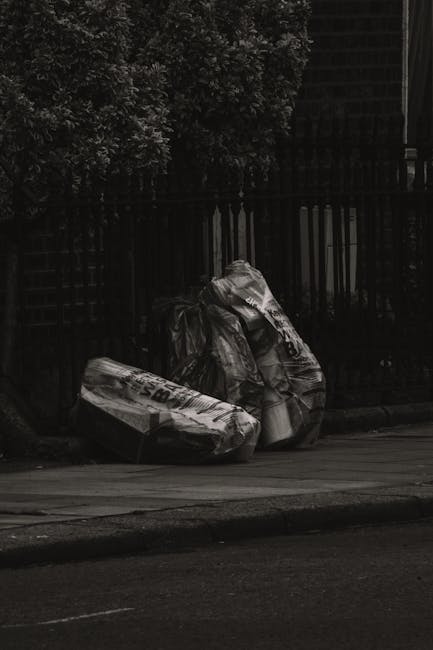
Cowley Hill bulky rubbish pickup tips for local households
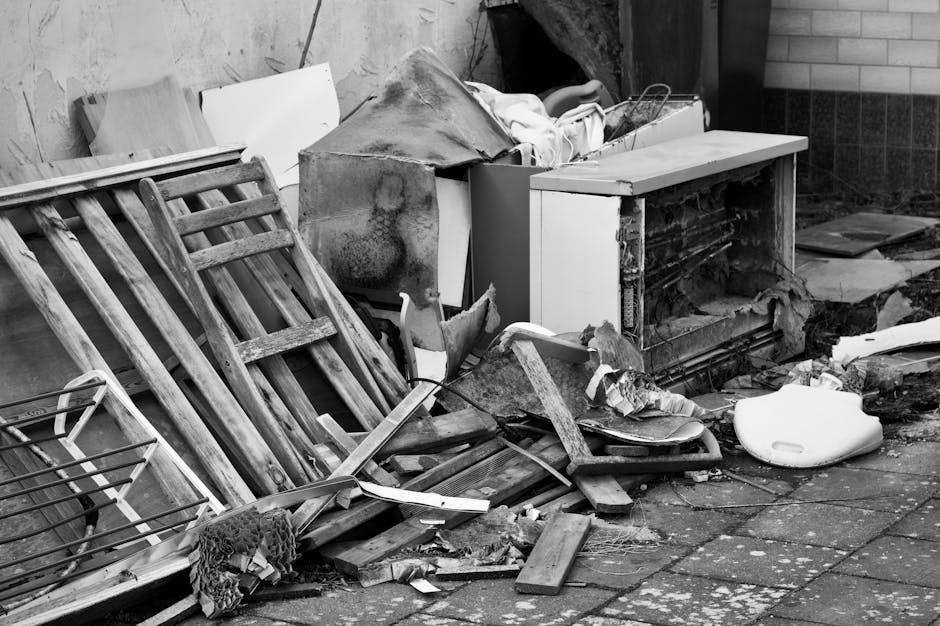
If you are trying to clear a sofa, broken wardrobe, mattress, old white goods, or a pile of mixed household clutter, Cowley Hill bulky rubbish pickup tips for local households can save you time, stress, and a fair bit of backache. The job sounds simple enough at first, but anyone who has dragged a heavy item to the front path on a damp morning knows the reality is a bit messier. A sensible plan matters.
This guide walks through how bulky rubbish pickup usually works, what local households should prepare, where the common mistakes happen, and how to choose the most practical route for your home. You will also find a checklist, a comparison table, and a few real-world tips that make the process less painful. Let's face it: rubbish removal is never glamorous, but done well it clears space fast and keeps your home calmer.
One useful thing to keep in mind is that bulky waste is not just "big rubbish". It can include items that need careful handling, separation, or special disposal because of safety, weight, or materials. That is where good preparation saves you money and hassle.
Why Cowley Hill bulky rubbish pickup tips for local households Matters
Bulky waste has a habit of hanging around. The spare chair becomes a planter stand. The old chest of drawers becomes "that thing in the hall". Before long, one item turns into three, and suddenly the home feels more cramped than it should. That is exactly why practical pickup advice matters for local households in Cowley Hill.
There is also a safety angle. Large items are awkward to lift, and some contain sharp edges, broken springs, glass, screws, or heavy components. A rushed carry-out can damage walls, banisters, flooring, and, honestly, your back. Nobody needs a wardrobe winching down the stairs at an odd angle on a rainy Tuesday.
On the environmental side, good bulky waste handling helps keep reusable items out of disposal streams where possible, and keeps recyclable materials separated more cleanly. A little planning makes that much easier.
For households, the practical value is straightforward:
- less clutter in living spaces
- safer lifting and moving
- fewer missed collection issues
- better chance of recycling or reuse
- clearer cost control
In short, the right approach is not just about getting rid of things. It is about doing it cleanly, safely, and without turning a quick tidy-up into an all-day saga.
How Cowley Hill bulky rubbish pickup tips for local households Works
Most bulky rubbish pickup arrangements follow a similar pattern, even if the exact process differs by provider or household situation. First, you identify what needs removing. Then you check whether the items are accepted, whether they need dismantling, and how access will work on the day.
For local households, the main decision is usually whether the job is best handled as a simple one-off pickup, a small clearance, or part of a larger home clearance. A single mattress is one thing. A garage full of old furniture, broken DIY offcuts, and garden waste is something else entirely.
In practice, a good pickup usually depends on five things:
- Item type - furniture, appliances, garden waste, mixed household waste, or heavier materials.
- Volume - one bulky item or a full room's worth.
- Access - stairs, narrow hallways, parking, side gates, or limited driveway space.
- Preparation - whether items are sorted, emptied, and ready to move.
- Disposal route - reuse, recycling, or responsible waste disposal.
That sounds tidy on paper, but the real world is often a bit lumpy. A wardrobe may look manageable until you realise the doors need removing and the screws are rusted in place. A garden clearance may start with a few branches and end with bags of mixed debris. Proper planning helps you avoid those surprises.
If you are comparing removal services, it can help to look at broader household support too. For example, some homes also need a full house clearance or a smaller furniture clearance rather than a single bulky pickup. Matching the service to the actual job is where the savings usually come from.
Key Benefits and Practical Advantages
A well-planned bulky pickup does more than free up space. The benefits show up in the small details first. Hallways feel wider. The spare room starts to breathe again. That corner that used to collect random bits of life suddenly stops nagging at you every time you walk past.
Here are the most useful advantages for households:
- Fast space recovery: You can reclaim a room, garage, loft, or hallway much quicker than waiting for items to be shifted piecemeal.
- Less manual strain: Moving a bulky item without a plan is how people tweak shoulders and backs.
- Cleaner finish: A proper pickup reduces leftover debris, loose fittings, and mess around the home.
- Better sorting: Reusable or recyclable items are easier to separate when you prepare them in advance.
- Lower stress: You know what is being removed, when it is happening, and how the area will be left.
There is another benefit people overlook: timing. If you are renovating, moving house, clearing after a tenancy, or preparing a room for family use, bulky waste removal helps keep the rest of the project on track. Waiting too long can slow everything down. Truth be told, clutter expands to fill whatever time you give it.
Households often find this especially useful when combined with related clear-out work such as loft clearance, garage clearance, or garden clearance. One tidy sweep can make the whole home feel lighter.
Who This Is For and When It Makes Sense
Bulky rubbish pickup is useful for a wide range of local households, but it is especially sensible in a few common situations. If you have ever stood in a room wondering how on earth a broken bed frame became "a future problem", this is probably for you.
It makes sense if you are:
- moving home and need awkward items gone quickly
- clearing after a refurbishment or redecorating project
- replacing old furniture or appliances
- making space in a loft, shed, garage, or spare room
- helping a relative downsize
- dealing with a post-tenant or end-of-lease clean-up
- trying to remove mixed items safely without hiring a skip
It can also be the better option when you only have a small amount of bulky waste. Not every household needs a large vehicle load or a full clearance. Sometimes the sensible choice is simply a targeted pickup for one or two difficult items.
On the other hand, if you have a full property to empty, a broader service may be more appropriate. That is where a home clearance or flat clearance may be the better fit, especially when access is tight or items are spread across several rooms. A small bedside cabinet is one job. An entire upstairs landing full of furniture is another.
When in doubt, ask yourself a simple question: am I removing a few bulky items, or am I trying to clear a space completely? That answer usually points you in the right direction.
Step-by-Step Guidance
If you want the process to run smoothly, a bit of prep goes a long way. Below is a practical step-by-step approach that works well for most households.
- List everything you want removed. Be specific. "Old sofa, broken dining chair, mattress, two broken shelving units" is much more useful than "some rubbish".
- Separate what can stay from what must go. It sounds obvious, but this is where mistakes happen. People often mean to keep one item and accidentally include it in the pile.
- Check item condition and materials. Is it upholstered, wooden, metal, or electrical? Does it contain mirrors, glass, or gas components? These details affect handling.
- Measure awkward pieces. A quick tape measure can save a lot of drama around doors, stair turns, or narrow paths.
- Clear the access route. Move shoes, boxes, rugs, and anything that might trip someone up. Open gates if needed. Make space at the front of the house if that is where items will be collected.
- Group similar items together. Keep furniture with furniture and mixed waste separate if possible. It helps with loading and sorting.
- Ask about special items early. Mattresses, white goods, and damaged electricals may need different handling than general household clutter.
- Confirm timing and arrival details. A clear slot avoids you sitting by the window all morning with a kettle going cold. Been there, done that.
If the job involves dismantling, do that before collection day where safe to do so. Remove loose shelves, drawer fronts, cushions, or detachable legs if they make the item easier to carry. Just keep fasteners together in a labelled bag so nothing gets lost.
For families dealing with mixed waste, it can also help to review a general waste removal option rather than forcing everything into one category. The right fit tends to reduce both mess and cost.
Expert Tips for Better Results
To be fair, most bulky pickups go fine when people prepare properly. The tricky ones are nearly always the jobs where someone thought, "It's only a few bits, how hard can it be?" Then the sofa sticks on the stair bend and everyone goes quiet.
Here are the habits that tend to make the biggest difference:
- Photograph larger items before collection. This helps you remember sizes, materials, and any hidden damage.
- Keep heavy items low and stable. Do not stack unstable pieces just to save a bit of space.
- Check for personal items in drawers or cushions. It happens more often than people admit.
- Sort reusable items separately. If something is still in decent condition, it may be worth keeping aside for reuse, donation, or a more suitable route.
- Plan around parking and access. In tighter streets, the difference between a clear drop-off point and a blocked one can be huge.
- Use a room-by-room approach for larger jobs. It stops the task from becoming a vague, never-ending pile.
A small but useful trick: if an item is too heavy for one person, it is probably too awkward to carry safely without planning. That is not being over-cautious. That is basic common sense with a sore shoulder-saving bonus.
If your household is removing furniture on a regular basis, it may also be worth checking options like furniture disposal. Different items sometimes need different routes, especially if some pieces are still in usable condition and others are not.
Another tip that saves time is to decide early whether you want everything removed in one go or if you would rather split the job into two smaller visits. Smaller loads can sometimes be easier to manage when access is awkward or the property is full of fragile items.
Common Mistakes to Avoid
Most bulky rubbish issues come from avoidable errors rather than the pickup itself. The main one? Leaving everything until the last minute. That is when sorting becomes rushed, items get missed, and access turns into a scramble.
Watch out for these common mistakes:
- Not checking what is included. A "bulky rubbish" job and a mixed clearance are not always the same thing.
- Leaving items full or dirty. Empty drawers, food containers, and loose liquids can create problems.
- Forgetting access constraints. Narrow hallways, staircases, basement steps, and parking restrictions all matter.
- Mixing reusable goods with general waste. It may reduce recycling options.
- Underestimating weight. Old furniture can be heavier than it looks, especially when damp.
- Assuming every item is accepted. Some items need special handling, and it is best to ask early.
There is also the hidden-mess problem. A broken wardrobe may leave behind screws, dust, and splinters. A tired-looking mattress can shed fibres. A careful sweep after loading keeps the area tidy and avoids the "I thought I'd cleared it" disappointment.
One more thing: do not leave anything sensitive or personal mixed into the pile. Paperwork, photos, medication, old phones, and hard drives should be removed well before collection. Simple, but easy to miss when you are in clearing mode.
Tools, Resources and Recommendations
You do not need a huge toolkit to prepare for a bulky pickup, but a few basics make life easier. Think of it as the difference between wrestling a pile of awkward stuff and actually getting on with the job.
- Measuring tape: useful for doors, stairs, and bulky furniture dimensions
- Work gloves: helpful for dirty, splintered, or sharp-edged items
- Labels or marker pens: great for separating keep, remove, recycle, and donate piles
- Screwdriver or basic tool kit: for removing legs, handles, or shelves if needed
- Dust sheets or old blankets: protect floors and walls during movement
- Strong bin bags or rubble sacks: useful for smaller loose contents and light mixed waste
For households that want more structured removal support, browsing service pages can help you identify the right fit. Some people need a bedroom-style clear-out approach in effect, while others are better served by a broader property solution. If you are weighing up several options, pricing and quote information can help you compare what is included before you commit. You can also review pricing and quotes to understand how different jobs are assessed.
If you are specifically dealing with old chairs, tables, cupboards, or soft furnishings, a dedicated furniture route may be cleaner and simpler than treating everything as general waste. Small choice, big impact.
And if you care about what happens after collection, a recycling-focused approach is worth considering. The page on recycling and sustainability is a useful place to think through reuse and recovery priorities before you book anything.
Law, Compliance, Standards, or Best Practice
Bulky waste removal is not just a practical matter; it also touches on responsible waste handling. Households should be careful about how waste is stored, passed on, and removed. In the UK, it is sensible to use a reputable provider and make sure items are handled in line with accepted waste management practice.
As a general best practice, keep these points in mind:
- Do not pass waste to anyone who cannot clearly explain where it will go.
- Keep hazardous or specialist items separate. That includes certain chemicals, pressurised containers, and some electricals.
- Store waste safely before pickup. Avoid blocking exits, dampening pathways, or creating trip hazards.
- Keep records of what was removed if needed. This is helpful for landlords, tenants, property managers, and anyone clearing on someone else's behalf.
It is also sensible to think about household duty of care in plain-English terms: if you create waste, you should take reasonable steps to ensure it is handled responsibly. That does not mean you need to become a waste law expert overnight. It does mean asking a few sensible questions before items leave your property.
For peace of mind, look for strong safety and process information too. The pages on health and safety policy and insurance and safety are useful references when you want to understand how a provider approaches risk, lifting, and site protection.
If your items include renovation offcuts or heavier debris, a different waste stream may be appropriate. In those cases, a specialist route such as builders waste clearance can be more suitable than forcing construction material into a domestic pickup process.
Options, Methods, or Comparison Table
Most households end up choosing between a few main routes. The best option depends on volume, urgency, access, and how much sorting you want to do yourself.
| Method | Best for | Pros | Things to watch |
|---|---|---|---|
| One-off bulky pickup | One or a few large items | Simple, focused, quick to arrange | May not suit mixed or very large loads |
| Furniture-specific removal | Sofas, beds, wardrobes, tables | Good for larger household furnishings | Check disassembly and access requirements |
| Full home or flat clearance | Multiple rooms or end-of-tenancy clear-outs | Covers more in one visit | Usually more involved and needs planning |
| Garden or loft clearance | Space-specific clutter and bulky storage items | Targets one area efficiently | May need sorting first |
| Mixed waste removal | Several item types together | Flexible for households with varied clutter | Ask what is accepted and what is not |
As a rule of thumb, choose the lightest service that genuinely fits the job. That sounds obvious, but people often book too much or too little. Too little, and you end up with half a job. Too much, and you pay for space you did not need. Somewhere in the middle is usually the sweet spot.
If the pickup is urgent, some households also look at fast-turnaround pages such as what to know about urgent rubbish clearance or local guidance like same-day rubbish removal to understand how quicker jobs are usually managed. That can be especially helpful when you are moving or dealing with a deadline.
Case Study or Real-World Example
A typical example: a household in Cowley Hill has a worn-out sofa, a broken three-drawer cabinet, and a mattress that has been sitting in a spare room for weeks. Nothing dramatic, just a slow-burn clutter problem. The family keeps stepping around it, muttering about sorting it "next weekend". You know how it goes.
Before pickup day, they measure the hallway, remove the loose cushions, empty the drawers, and check the route from the room to the front entrance. They also find a few small items tucked inside the cabinet and set those aside. That simple prep means the job is completed without awkward delays, floor scuffs, or extra lifting.
Now compare that with a less organised version. The wardrobe is left fully assembled, the access route is blocked by shoes and boxes, and the provider arrives only to discover the mattress is in a room that also contains several unrelated bags of clutter. Suddenly the job takes longer, and everyone is less relaxed.
The lesson is not that people must be perfect. Far from it. It is that ten minutes of sorting can save a surprising amount of time on the day. Small effort, big payoff.
For households with more mixed items, a service like furniture disposal or even a broader home clearance may be more efficient than trying to handle each piece separately. That judgment call is often what separates a smooth pickup from a frustrating one.
Practical Checklist
Use this quick checklist before your pickup day. It keeps the process simple, and it stops those last-minute "oh no, we forgot that" moments.
- List every item that needs removing
- Confirm which items are staying in the property
- Measure any large or awkward pieces
- Clear hallways, stairs, and doors of obstacles
- Empty drawers, cupboards, and hidden compartments
- Separate reuse, recycling, and waste where possible
- Remove valuables, documents, and personal items
- Check whether any item needs special handling
- Make parking or access arrangements if needed
- Keep the collection area visible and easy to reach
- Have a final sweep ready for loose bits and dust
Expert summary: The easiest bulky rubbish pickups are the ones prepared like a small moving day. Clear access, clear sorting, clear expectations. Do that, and the rest tends to follow without much fuss.
Conclusion
Cowley Hill bulky rubbish pickup tips for local households are really about making a simple job less stressful. When you know what is being removed, how it will be accessed, and which items need extra care, the whole process becomes more manageable. You save time, reduce risk, and avoid the usual tangle of last-minute decisions.
The best results usually come from a bit of calm preparation rather than rushed effort. Measure the awkward stuff, sort the piles, clear the route, and choose the right type of removal for the amount you actually have. Nothing flashy. Just solid housekeeping, done well.
If you are still weighing up the right service, take a few minutes to compare your options and think about the mix of items you want gone. That small pause can make a big difference once the collection day arrives.
Get a free quote today and see how much you can save.
And if you are not quite ready yet, that is fine too. Start with one room, one pile, one decision. The clutter will not know what hit it.
Frequently Asked Questions
What counts as bulky rubbish in a typical household?
Bulky rubbish usually means large items that are awkward to move or do not fit in normal household bins. That often includes sofas, armchairs, mattresses, wardrobes, tables, shelving, and some appliances. The exact acceptance rules depend on the service, so it is always worth checking before collection.
Do I need to dismantle furniture before pickup?
Not always. Some items can be removed whole if access allows, but dismantling can make the job easier and safer. If a bed frame or wardrobe is too large for stair turns or tight doorways, partial dismantling is often the better choice.
How do I know whether I need a bulky pickup or a full clearance?
If you only have one or a few items, a bulky pickup is usually enough. If you are clearing several rooms, a loft, a garage, or an entire property, a broader clearance service is often more suitable. Think in terms of volume and spread, not just item type.
Can bulky rubbish include electrical items?
Sometimes, yes, but electricals need to be handled carefully. Small appliances and old electronics may be accepted depending on the service, while some items require separate handling. It is best to ask in advance rather than assume.
What should I do with items that are still usable?
If something is in decent condition, consider keeping it separate from general waste. Reuse, donation, or a furniture-specific route may be more appropriate. Even if you decide to remove it, separating usable items makes sorting simpler.
How far in advance should I prepare for a pickup?
For a small job, a day or two may be enough. For larger items or mixed loads, give yourself more time so you can measure access, clear walkways, and separate what is staying. Rushing is where things go sideways, usually at the worst moment.
Will I need to move the items to the kerb myself?
That depends on the arrangement. Some pickups expect items to be placed in an accessible spot, while others include collection from inside the property. Always confirm what is expected so you do not end up hauling a wardrobe farther than you planned.
What are the most common access problems?
Narrow staircases, tight hallways, blocked entrances, poor parking, and items too large for the route are the usual headaches. A quick check of the route before collection can prevent most of these issues.
How can I reduce the cost of bulky rubbish removal?
Prepare items in advance, separate what can be reused, and make sure only the items you truly want removed are included. Clear access also helps the job go more smoothly. If you want to compare options, reviewing pricing and quotes can be a sensible first step.
Are there items that should not go in a bulky pickup?
Yes. Some hazardous or specialist items may need separate handling, and not every service accepts every material. If you are dealing with chemicals, pressurised containers, or other risky items, ask first. Better a quick question than an avoidable problem.
What if I only have one awkward item, like a sofa or mattress?
That is exactly the sort of job a focused pickup can help with. One awkward item can still be a nuisance if it is taking over a hallway or spare room. Removing it quickly can make a surprisingly big difference to the whole house.
Can bulky rubbish pickup help before moving house?
Absolutely. Moving is one of the best times to clear bulky items you no longer want to pay to transport. If something is heavy, tired, or unlikely to fit the new place properly, getting rid of it beforehand can simplify the move. And that is one less thing to worry about on moving day, which is no small thing.